
Industries Where Veryable Supports Operations
See how manufacturing, distribution, and warehouse operations use Veryable to maintain coverage, scale labor capacity as demand shifts, and keep work moving.
Who Is Veryable For?
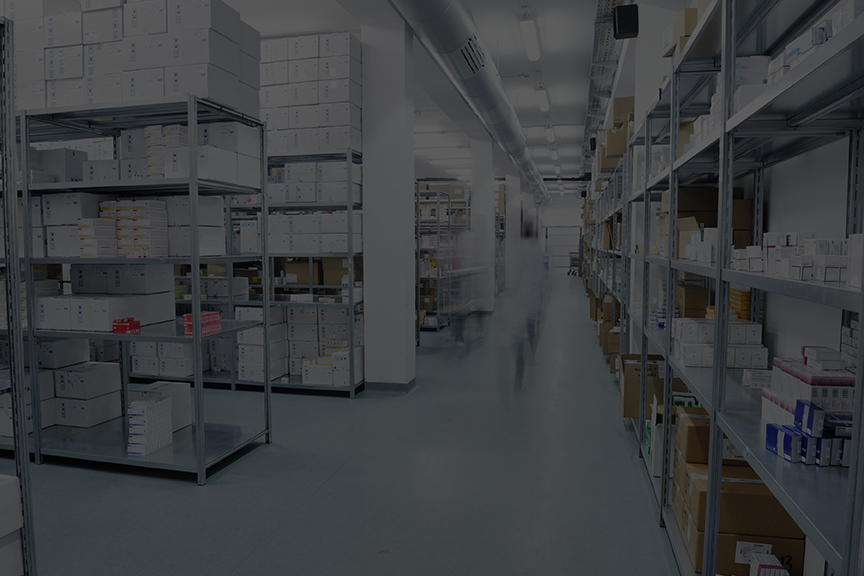
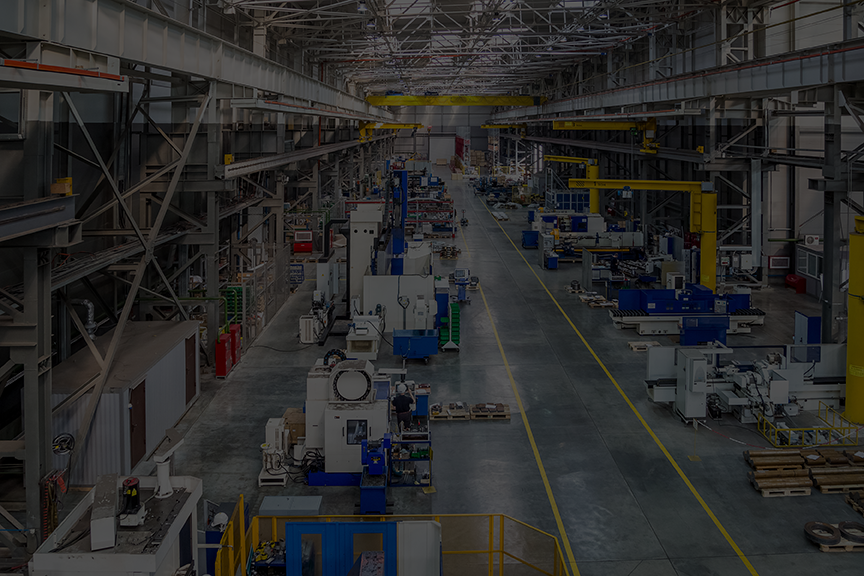
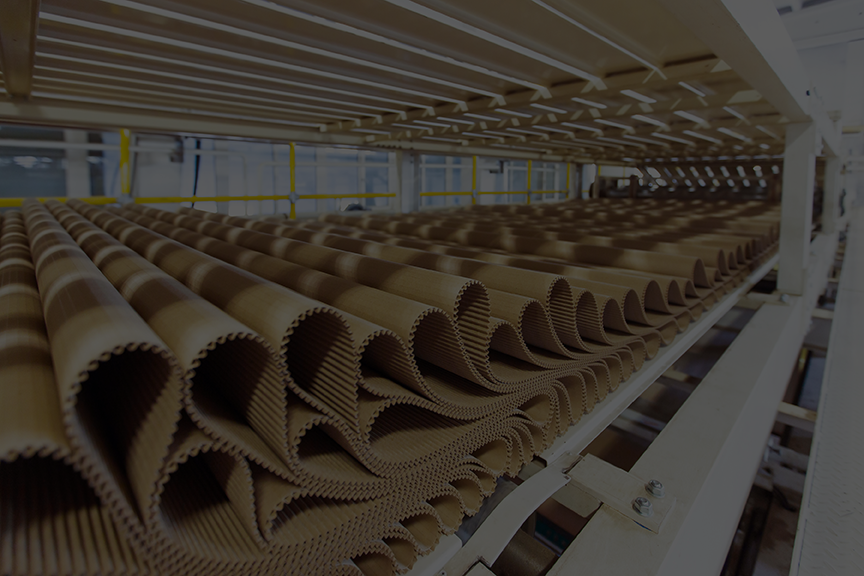
From small manufacturers to global logistics providers, companies across multiple industries rely on Veryable to scale labor capacity, reduce operational disruption, and keep work moving as demand shifts.



What Operations Leaders Want to Know About Using Veryable
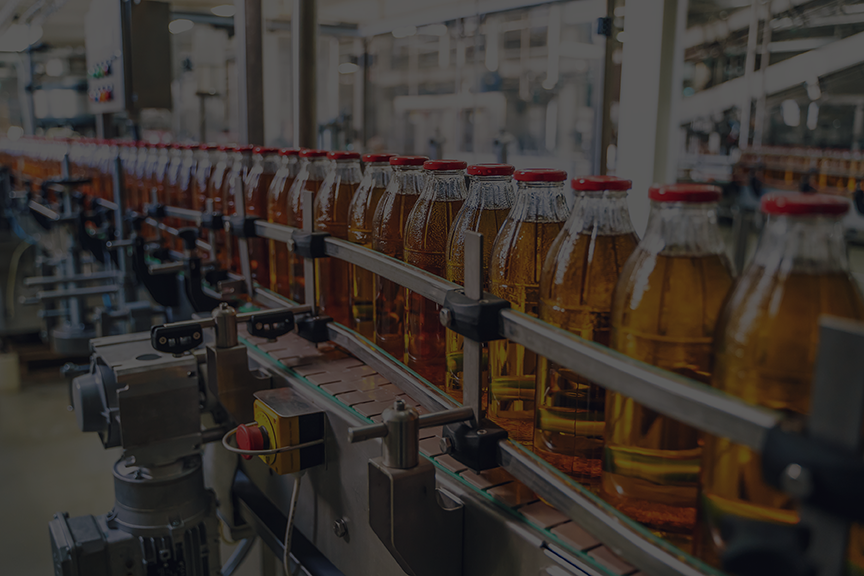
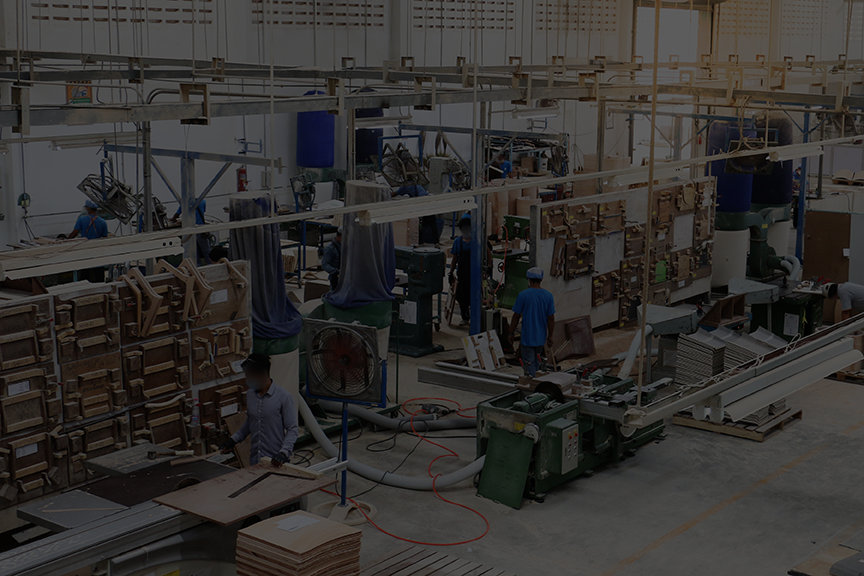
The industries shown here are representative, not an exhaustive list. Veryable is generally a fit for manufacturing, warehousing, distribution, logistics, fulfillment, supply chain, and other industrial operations where workload and labor requirements change.The better indicator of fit is often how your operation behaves. Demand spikes, production ramps, call-offs, backlogs, project work, peak periods, and overtime pressure are all situations where flexible labor capacity can be useful, regardless of the exact industry label.
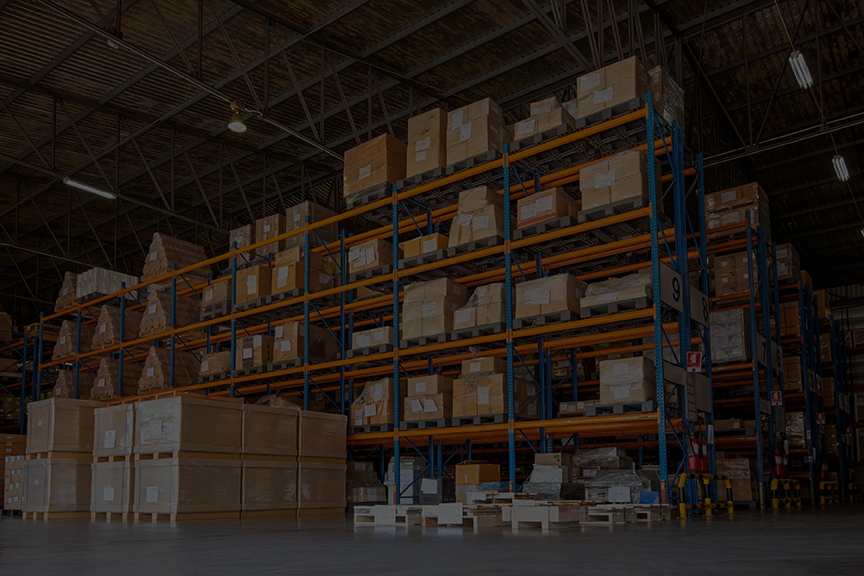
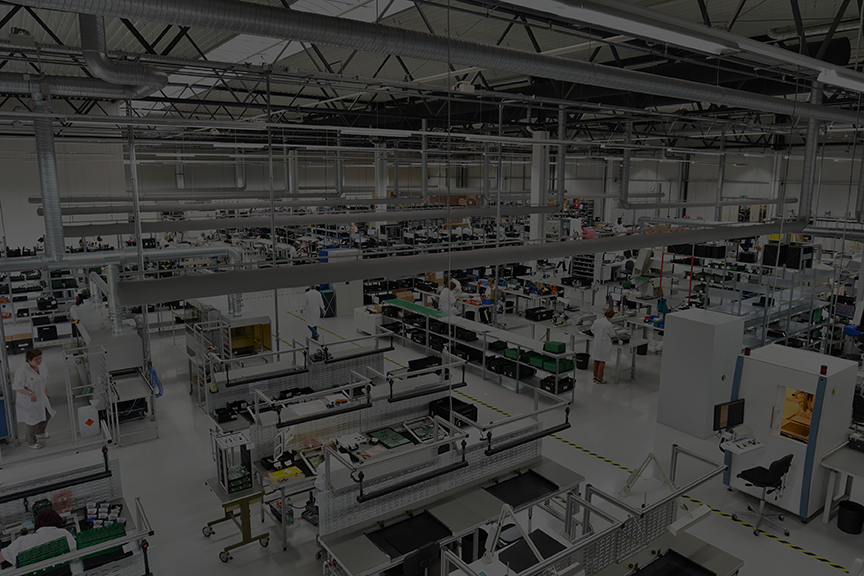
Veryable Operators can support work across production, warehouse and distribution, fulfillment, quality, and project-based operations.Common examples include assembly and production support, material handling, forklift operation, shipping and receiving, picking and packing, packaging, kitting, rework, quality inspection, loading and unloading, and inventory-related work. The right starting point depends on the work itself, the requirements involved, and the available Operators in your market.
Yes. Businesses can use Veryable across different work areas as needs change. For example, an operation might use flexible labor for production support during a ramp, material handling when inbound volume increases, packaging or fulfillment during a surge, and quality inspection for a temporary project.Businesses often start with clearly defined, matchable work in one area and expand into additional workflows as they identify proven Operators and build their Labor Pool.
Yes. Veryable supports both general operational work and more specialized work. Operators on the platform may have experience with forklift operation, welding, machining, CNC-related work, quality inspection, tooling, overhead cranes, production technician work, and other industrial skills. Businesses can review available experience, certifications, endorsements, ratings, reliability, and prior performance before accepting a Bid. Availability for a particular skill or certification can vary by market, timing, pay, and the requirements of the Op.
Yes. Businesses can post Ops for day, evening, overnight, and weekend work. Approximately 26% of Ops on the Veryable marketplace take place during night or weekend hours. Availability for a particular shift depends on factors such as location, schedule, pay, required skills, facility location, Op duration, and advance notice. Businesses that expect recurring off-shift needs can also build Labor Pools of proven Operators who have worked those schedules successfully.
Veryable’s coverage is organized around major U.S. market hubs and the surrounding regions rather than strict city boundaries. A named market may serve nearby cities, suburbs, industrial corridors, and other communities across the broader area.Coverage and Operator availability can vary by facility, so companies with multiple locations should evaluate each site individually. Veryable’s current market pages provide more specific regional coverage information.
See How Leading Operations Use Veryable
Learn how manufacturers, distributors, and logistics providers use Veryable to close coverage gaps, control labor costs, and respond faster as demand changes.